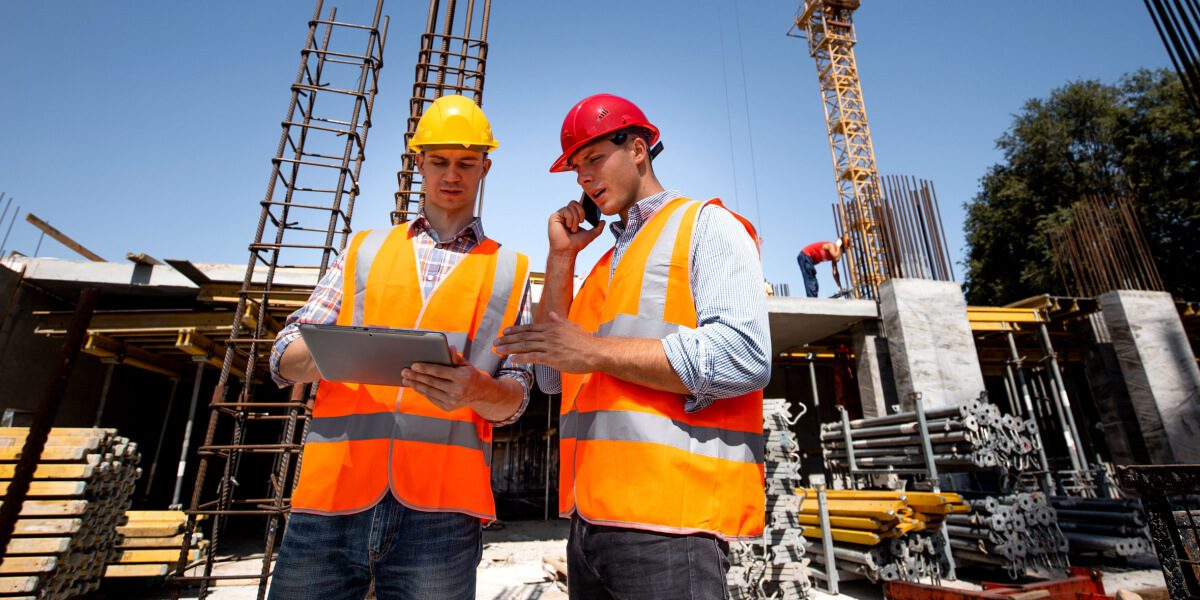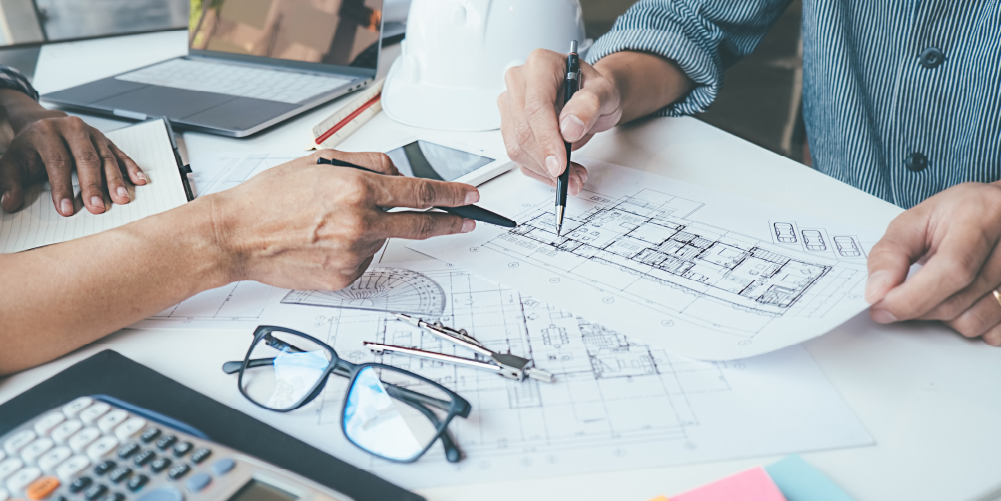

You’ve probably seen it before. A construction site that starts with energy and ambition slowly turns into delays, budget stress, and confusion. It rarely happens because people don’t care. It happens because no one is truly managing the moving parts.
That’s where Construction Management steps in. It is the difference between a project that feels chaotic and one that runs with clarity and purpose.
Key Takeaways
Construction management keeps projects aligned from planning to completion
It balances time, cost, quality, and safety all at once
Strong coordination prevents delays and costly mistakes
A skilled manager turns plans into real, successful structures
What Is Construction Management?
Construction Management is the process of planning, coordinating, and controlling a project from start to finish to meet time, budget, quality, and safety goals.
It connects everything. Design, labor, materials, compliance, and timelines. Without it, even well-funded projects can drift off course.
In practical terms, it ensures that what’s on paper becomes a completed structure without unnecessary friction.
Why Construction Projects Often Struggle
Even experienced teams can run into problems. Not because they lack skill, but because construction is inherently complex.
You’re dealing with shifting schedules, multiple contractors, regulatory requirements, and real-world unpredictability. A small delay in materials can disrupt the entire construction project lifecycle.
According to the U.S. Census Bureau, total construction spending reached over $2 trillion in recent years, showing just how massive and complex this industry is.
https://www.census.gov/construction/c30/
That scale alone explains why structured construction project management is not optional. It is essential.
The Core Roles in Construction Management
A construction manager doesn’t just “oversee.” They actively shape how the project unfolds.
1. Planning the Project from the Ground Up
Everything begins with construction project planning. This includes defining scope, timelines, resources, and responsibilities.
Without a solid plan, execution becomes reactive instead of strategic.
2. Managing Costs and Budgets
Construction cost management is about more than tracking expenses. It involves forecasting, adjustments, and construction budget control to avoid overruns.
Every decision, from materials to labor, impacts the bottom line.
3. Scheduling and Time Control
Using construction scheduling techniques, managers align tasks, teams, and timelines.
Effective construction timeline management ensures one delay does not trigger a chain reaction.
4. Coordinating Teams and Contractors
Construction is a team effort. Construction project coordination and contractor alignment are critical.
This includes contractor coordination in construction, ensuring everyone works toward the same goal instead of in silos.
5. Ensuring Quality and Compliance
From inspections to materials, quality control in construction ensures the final result meets expectations.
At the same time, construction compliance and regulations must be followed carefully to avoid legal or operational setbacks.
6. Managing Risk and Safety
Every project carries risk. Construction risk management identifies issues early, while construction safety management protects workers and keeps operations stable.
A Simple Framework: How Construction Management Works
To understand the construction management process, think of it in five clear steps:
Initiation – Define goals, scope, and feasibility
Planning – Build timelines, budgets, and resource plans
Execution – Begin construction and manage workflows
Monitoring – Track progress, costs, and quality
Completion – Final inspections and project delivery
This structured approach keeps everything grounded, even when unexpected challenges arise.
Where Things Go Wrong (And How to Avoid It)
Even with good intentions, projects can fail when certain fundamentals are ignored.
Practice | When it helps | Simple cue | Mistake |
Clear planning | Before breaking ground | Define scope early | Rushing into work |
Budget tracking | During execution | Review weekly | Ignoring small overruns |
Team coordination | Daily operations | Align schedules | Poor communication |
Risk management | Early stages | Identify weak points | Reacting too late |
A Real-World Scenario
Imagine a mid-sized commercial project.
At first, everything looks organized. But soon, materials arrive late. Teams overlap. Costs begin to climb. No one is sure who is responsible for what.
Now introduce structured construction site management.
Schedules are adjusted, communication improves, and workflows become predictable. Suddenly, progress resumes. The difference isn’t the workers. It’s the system guiding them.
The Human Side of Construction Management
Behind all the processes and systems, there is a human element.
Managing people, expectations, and pressure is just as important as managing timelines.
As Peter Drucker once said:
“Plans are only good intentions unless they immediately degenerate into hard work.”
That quote captures construction management perfectly. Plans matter, but execution defines success.
The Role of Professional Services
Not every project has the internal capacity to manage everything effectively. That’s why many organizations rely on specialized support.
Companies like Logistics Safety and Permitting Inc bring structured expertise into complex environments. Their approach ensures smoother workflows, better compliance, and fewer surprises across the project.
In many cases, integrating Construction logistics services at the right stage can significantly improve coordination and reduce delays.
Common Misconceptions
“Construction management is just supervision.”
It’s far more strategic. It involves planning, forecasting, and decision-making.
“It only matters for large projects.”
Even small projects benefit from structured management.
“It’s all about cost control.”
Cost is one part. Time, safety, and quality matter equally.
Conclusion
Construction projects don’t fail overnight. They drift. Small misalignments grow into major issues.
Construction Management prevents that drift. It creates structure, clarity, and accountability from start to finish.
When done right, it doesn’t just deliver buildings. It delivers confidence, predictability, and long-term value.
Summary
Construction management is the backbone of any successful project, connecting planning, execution, and delivery. It ensures that time, cost, and quality stay aligned even in complex environments.
By focusing on coordination, risk control, and structured workflows, it transforms uncertainty into manageable progress. In the end, it is what turns ideas into completed, functional spaces.
FAQs
What does a construction manager actually do?
They plan, coordinate, and oversee every stage of a project, ensuring it stays on time, within budget, and meets quality standards.
When should you hire construction management services?
Ideally at the planning stage, before construction begins, to avoid costly adjustments later.
How does construction management improve project outcomes?
It improves coordination, reduces risks, controls costs, and ensures smoother execution.
What makes Logistics Safety and Permitting Inc different?
They focus on structured planning, compliance, and efficient coordination, helping projects avoid delays and regulatory issues.
Do small projects need construction management?
Yes. Even smaller projects benefit from better planning, scheduling, and cost control to avoid unnecessary problems.