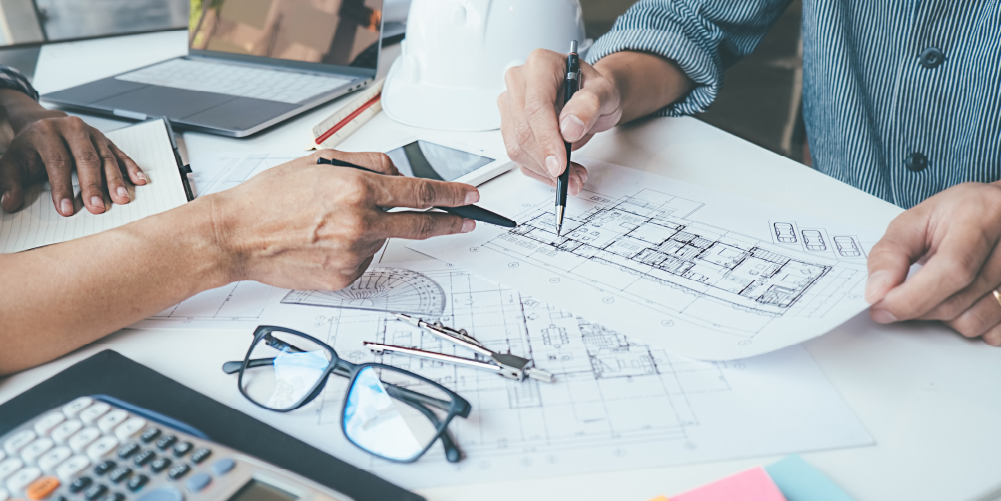

A well prepared construction drawing is the foundation of every successful project. It guides contractors, inspectors, and project managers from the early planning stage to the final build. When plans are clear and accurate, work moves smoothly. When they are not, small issues quickly turn into delays, budget overruns, and safety risks.
Even experienced teams can overlook simple details that create confusion on site. Knowing what to watch for and how to correct common problems can save time, prevent rework, and keep projects moving forward without unnecessary stress. Below are five of the most frequent mistakes found in a construction drawing and how to fix them before they become costly problems.
1. Construction Drawing Errors That Lead to Costly Delays
One of the biggest problems in any project starts with avoidable construction drawing errors. These can include missing measurements, incorrect scales, or unclear details that leave room for interpretation. When crews do not have exact information, they often have to pause work, ask for clarification, or make assumptions that lead to mistakes.
For example, an incorrectly placed wall dimension might affect plumbing or electrical placement. A small error on paper can mean tearing down completed work and starting over. The best way to avoid this is through a careful review process. Every construction drawing should be checked for consistency across all sheets, including elevations, floor plans, and sections.
Accuracy at this stage helps prevent confusion later and keeps teams working with confidence.
2. Using a Building Plan Review Checklist to Catch Issues Early
A structured building plan review checklist helps identify problems before construction begins. This simple step is often overlooked, yet it can dramatically reduce risk. A checklist ensures that nothing important is missed, from room dimensions to safety markings and site access points.
When reviewing each construction drawing, make sure to confirm that all notes are readable, symbols are defined, and measurements are complete. Look for alignment between architectural and structural plans. Even minor mismatches can lead to major delays during construction.
Consistency is key. A checklist creates a reliable system that helps teams spot errors quickly and correct them before permits are submitted or work begins.
3. Common Drafting Mistakes in Construction That Impact Site Work
Many projects run into trouble because of common drafting mistakes in construction. These often include cluttered layouts, overlapping details, or unclear annotations. When drawings are difficult to read, workers may interpret them differently, which leads to uneven results.
Clear labeling and simple, organized layouts make a big difference. Every construction drawing should include a legend that explains symbols and markings. Notes should be placed close to the elements they describe so they are easy to follow.
Another common issue is using outdated templates or copying details from past projects without updating them. Each site has its own requirements, so every plan must reflect current conditions and regulations. Clean, well structured drawings help everyone stay aligned and reduce confusion on the jobsite.
4. Construction Drawing Coordination Across All Teams
Good construction document coordination is essential for a smooth workflow. Architectural, mechanical, electrical, and structural teams must work from the same information. When one part of the plan changes and others are not updated, conflicts appear on site.
For example, ductwork may be routed through a beam or electrical panels may be placed in restricted areas. These problems can be avoided through regular coordination meetings and consistent updates to each construction drawing.
Digital tools now make it easier to keep everyone on the same page. Shared files and revision tracking help teams stay informed. When changes are documented clearly, the risk of working from outdated plans drops significantly.
Coordination also helps with safety. When equipment placement, material storage, and access routes are planned together, the worksite becomes more organized and efficient.
5. Meeting Permit Drawing Requirements the Right Way
Another major issue comes from not fully meeting permit drawing requirements. Local authorities expect detailed information that shows compliance with building codes and safety standards. Missing data can delay approvals and slow down the start of construction.
Each construction drawing should include details such as property boundaries, fire safety features, accessibility elements, and structural notes. If anything is unclear, the permit process may stall while revisions are requested.
Working with experienced professionals can make this process easier. Clear documentation supports faster approvals and reduces back and forth with regulatory departments. This is where proper planning and expertise matter the most.
Many contractors rely on Permit drawing services to ensure plans meet local standards before submission. Teams at Logistics Safety and Permitting Inc focus on helping projects move forward with accurate plans that support safe and efficient development.
How to Avoid Construction Rework with Better Planning
Few things affect a project budget more than rework. Tearing down completed work because of incorrect plans wastes time, materials, and labor. The best way to avoid construction rework is to catch problems early through careful review and clear communication.
Every construction drawing should go through multiple checks before it is approved. This includes verifying dimensions, reviewing notes, and confirming alignment across all documents. When teams take the time to get the details right, they reduce the chances of expensive corrections later.
Regular updates also help. If changes are made during planning, all versions should be revised and shared quickly. Clear version control keeps everyone working from the same information.
A little extra effort during the planning phase can prevent weeks of delays during construction.
Why Fixing These Mistakes Matters
A strong construction drawing does more than show what a project will look like. It acts as a roadmap that guides every step of the build. When plans are accurate, projects run smoother, approvals happen faster, and teams can work with confidence.
Mistakes often happen when teams rush through the planning stage or skip detailed reviews. Taking the time to improve accuracy, coordination, and clarity helps prevent stress later. It also supports better safety and stronger communication between all parties involved.
By focusing on better planning and consistent review, construction teams can avoid many of the most common problems that slow projects down.
FAQs
Why is accuracy important in a construction drawing?
Accuracy ensures that contractors, engineers, and inspectors are working from the same information. Even small mistakes can lead to delays, rework, and extra costs.
What are the most common construction drawing errors?
Some of the most common issues include missing dimensions, unclear notes, poor coordination between plans, and outdated revisions.
How often should construction drawings be reviewed?
Drawings should be reviewed at multiple stages, including before permit submission, before construction begins, and whenever major changes are made.
How does better coordination improve project outcomes?
When teams share updates and align their plans, they reduce conflicts on site. This leads to smoother workflows and fewer unexpected problems.
Can professional support help improve drawing quality?
Yes. Experienced planning and permitting professionals can review plans, identify gaps, and ensure they meet local standards before work starts.